Personally, when it comes to writing, my favorite thing in the world to do is research. Good resources for the actually writing about war are few and far between, so I think your best bet would be to research some big wars and war heroes. Maybe pick up some historical fiction from authors like Tim O’Brien. If you’re really into history, check out some news articles from the World Wars from both sides, or the Vietnam War. When writing about a topic such as war, it is essential that you do your research.
Most of the resources I give you will be America-centric because that’s what I grew up learning about, and that’s also what I know best. These types of articles will be different for different countries.
Doing research on the Guatemalan Civil War as a whole I think will really help you. It is fairly recent (ended in 1996), so you will be able to find a lot of online sources and articles.
TL;DR Research Tim O’Brien’s writing as well as the Guatemalan Civil War
xx Sarah
I would also suggest looking up ethnographies relating to recent wars (i.e., the last forty years). There are tons out there about the people who fought in the wars and on communities that were affected by war. This includes guerrilla groups and isolated communities whose information you won’t find on the internet.
Like plotlinehotline said, look up the Guatemalan Civil War. Tons of ethnographies on that war are out there and they’re definitely worth a read for anyone wanting to write about the people involved in rebellions.
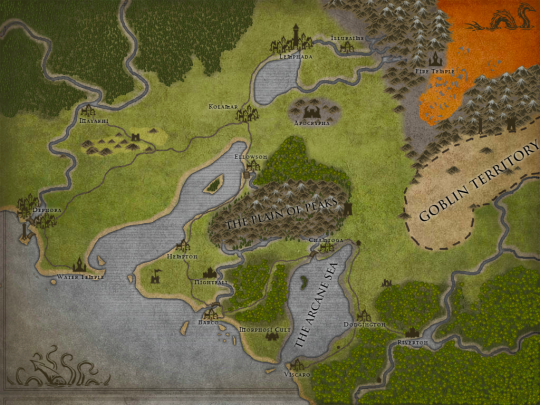
I was looking for an easy map creator that makes beautiful maps for a while now to make a visually stunning map to go along with my book. And now, after such a long search i have finally found one that suits my needs! Because i like it so much, i thought i’d share it with you guys! Just go to inkarnate.com and start creating! I have to warn you though, it is still in beta so a lot still needs to be added, but already it looks great and is easy to use!
I mean just look how beautiful some of these maps are!
And it is so much fun too! Someone even created a game of thrones map that is simply amazing!
So check it out and start creating your visual aid for your story. I promise you, it really is super easy and you will make one in no time!
Useful if this is how you think, though often I don’t see the outline until after the draft is written, because after awhile one just internalize this kind of stuff from all the media one ingests. Point is, use if helpful, ignore if not.
This is EXACTLY how many shows on television plot their episodes, though it’s usually through a five act timeline:
1) Introduction to the characters and the mission/adventure.
2) Mission begins. Protagonist establishes cursory allies and foes. Some sort of complication to the plot at the end of Act II.
3) Protagonist and friends deal with complication of the plot. Gears up for another go at the goal, but falls short in some way, usually related to protagonist’s personal journey.
4) Critical information needed for climax is discovered. Protagonist angsts, then rallies.
5) The lead up to and the final resolution.
Because studios sometimes require a 6 act break for extra advertising, the last coda is usually related to season arc/character development. But generally speaking, this is the structure a lot of screenwriters use.
can someone explain the alignment chart for me but in like, the simplest wording possible lmao
lawful good: i want to do the right thing, and following society’s rules is the best way to do that
neutral good: i want to do what’s right, and i’m willing to bend or break the rules as long as no one gets hurt
chaotic good: i’m willing to do whatever it takes as long as it’s to do the right thing
lawful neutral: following the rules of society is the most important thing, and that matters more to me than doing what’s right
true neutral: i just want myself and the people i care about to be happy
chaotic neutral: i want my freedom, and i don’t care what i have to do to keep it
lawful evil: to impede the protagonists (in whatever evil way) is my primary goal, but i follow my own code of morals even when it’s inconvenient
neutral evil: to impede the protagonists (in whatever evil way) is the my primary goal, and while i’ll do what it takes to achieve it, i also won’t go out of my way to do unnecessary damage
chaotic evil: i relish in destruction and want to do as much damage as possible while i try to achieve my primary goal
Changes in sexual orientation/identification over time
Attempts to figure out romantic orientation
Conflicted feelings over dual identity as asexual and gay/straight/bi/pan
Internalized acephobia and shame
Feelings of being a loser
Feelings of being a freak
Feelings of never being wanted by anyone
Anger at rest of the world for not accepting/teaching about asexuality
Desire to date conflicts with dislike of sex and/or romance
Difficulty distinguishing between sexual, romantic, platonic, aesthetic and sensual forms of attraction
Fear of growing old alone due to asexuality
Searching for a word to accurately describe oneself
Struggle to reconcile one’s religious beliefs and one’s asexuality
Questioning of gender roles and own masculinity/femininity due to asexuality
Romantic Conflict
Difficulty acquiring a partner who does not require regular sex
Fear of getting into a relationship with someone due to doubts that the couple can be happy without sex, or having to give in to unwanted sex
Celibate romantic relationship is not recognized or valued by friends and family
Attempting to form a queerplatonic and/or polyamorous relationship instead of a traditional monogamous romantic relationship
Conflict with partner over what kinds of sexual activities can be done, what is off limits, how often, and whether outside sources of sexual pleasure are acceptable
Fear of romantic partner leaving them for, or having an affair with, someone more sexually interested
Strain or break-up of relationship due to differing sexual preferences
Negotiation with partner over consent issues and how to avoid pressuring a partner into sacrificing something, or development resentment
Discovery of own asexuality at a VERY inconvenient time, like in the middle of making out, or right after having sex with romantic partner for the first time
Conflict with Peers
Pressure from friends to date and/or have sex
Virgin stigma
Difficulty getting acceptance from friends or family after coming out as asexual
Loss of friendships after coming out as asexual
Rumors and gossip from other people due to lack of sexual activity
Pressure to fake sexual attraction to be accepted by peers or please a romantic partner
Inability to feel comfortable and connected to friends who are very focused on sex and/or dating
Other characters attempt to “fix’ or “change” the asexual character
Increased discomfort or repulsion when flirted with by others
Fear of being outed by others
Other Sources of Conflict
Inability to communicate one’s sexual needs, preferences, boundaries, and relationships to others due to lack of asexual vocabulary in common usage
Being stereotyped as mentally ill, sex-negative, repressed, or other qualities due to being asexual
Family does not approve of asexuality
Family demands marriage and children that asexual character does not want
Threats of sexual assault or violence from other people, including from romantic partners
Alienation from popular media due to heavy use of sexuality and/or romance
Coming out as asexual
Difficulty meeting and befriending other asexual people
Being targeted by homophobia, biphobia or transphobia (either mis-targeted, or because many asexual people actually are trans, homoromantic or bi/pan-romantic)
Difficulty accessing asexual-friendly health care or mental health counseling (due to pathologization of asexuality)
Desire to have children conflicts with repulsion toward sex
Potential for discrimination in work, employment opportunities, housing opportunities and social status due to asexuality. (Actually happens.Really.)
Public figure, celebrity, or politician risks backlash over asexuality
Immigrant marriage risks being annulled or unrecognized due to lack of sex (This actually happens.)
Discomfort or unpleasantness in bars, nightclubs, stip clubs, raves, or other social gatherings in which flirting and overt sexuality are common
…In addition to, y’know, the fact that almost any plot that you write for non-asexual characters can also be applied or adapted to asexual characters. But those are infinite, so here I only listed conflicts that are directly related to asexuality.
The question I get the most is how I write characters that feel like real people.
Generally when I’m designing a human being, I deconstruct them into 7 major categories:
1. Primary Drive 2. Fear: Major and Secondary 3. Physical Desires 4. Style of self expression 5. How they express affection 6. What controls them (what they are weak for) 7. What part of them will change.
1. Primary Drive: This is generally related to the plot. What are their plot related goals? How are they pulling the plot forward? how do they make decisions? What do they think they’re doing and how do they justify doing it.
2. Fear: First, what is their deep fear? Abandonment? being consumed by power? etc. Second: tiny fears. Spiders. someone licking their neck. Small things that bother them. At least 4.
3. Physical desires. How they feel about touch. What is their perceived sexual/romantic orientation. Do their physical desires match up with their psychological desires.
4. Style of self expression: How they talk. Are they shy? Do they like to joke around and if so, how? Are they anxious or confident internally and how do they express that externally. What do words mean to them? More or less than actions? Does their socioeconomic background affect the way they present themselves socially?
5.
How they express affection: Do they express affection through actions or words. Is expressing affection easy for them or not. How quickly do they open up to someone they like. Does their affection match up with their physical desires. how does the way they show their friends that they love them differ from how they show a potential love interest that they love them. is affection something they struggle with?
6. What controls them (what they are weak for): what are they almost entirely helpless against. What is something that influences them regardless of their own moral code. What– if driven to the end of the wire— would they reject sacrificing. What/who would they cut off their own finger for. What would they kill for, if pushed. What makes them want to curl up and never go outside again from pain. What makes them sink to their knees from weakness or relief. What would make them weep tears of joy regardless where they were and who they were in front of.
7. WHAT PART OF THEM WILL CHANGE: people develop over time. At least two of the above six categories will be altered by the storyline–either to an extreme or whittled down to nothing. When a person experiences trauma, their primary fear may change, or how they express affection may change, etc. By the time your book is over, they should have developed. And its important to decide which parts of them will be the ones that slowly get altered so you can work on monitoring it as you write. making it congruent with the plot instead of just a reaction to the plot.
That’s it.
But most of all, you have to treat this like you’re developing a human being. Not a “character” a living breathing person. When you talk, you use their voice. If you want them to say something and it doesn’t seem like (based on the seven characteristics above) that they would say it, what would they say instead?
If they must do something that’s forced by the plot, that they wouldn’t do based on their seven options, they can still do the thing, but how would they feel internally about doing it?
How do their seven characteristics meet/ meld with someone else’s seven and how will they change each other?
Once you can come up with all the answers to all of these questions, you begin to know your character like you’d know one of your friends. When you can place them in any AU and know how they would react.
Atilliator: skilled castle worker who made crossbows.
Baliff: in charge of allotting jobs to the peasants, building repair, and repair of tools used by the peasants.
Barber: someone who cut hair. Also served as dentists, surgeons and blood-letters.
Blacksmith: forged and sharpened tools and weapons, beat
out dents in armor, made hinges for doors, and window grills. Also
referred to as Smiths.
Bottler: in charge of the buttery or bottlery.
Butler: cared for the cellar and was in charge of large
butts and little butts (bottles) of wine and beer. Under him a staff of
people might consist of brewers, tapsters, cellarers, dispensers,
cupbearers and dapifer.
Carder: someone who brushed cloth during its manufacture.
Carpenter: built flooring, roofing, siege engines, furniture, panelling for rooms, and scaffoling for building.
Carters: workmen who brought wood and stone to the site of a castle under construction.
Castellan: resident owner or person in charge of a castle (custodian).
Chamberlain: responsible for the great chamber and for the personal finances of the castellan.
Chaplain: provided spirtual welfare for laborers and the
castle garrison. The duties might also include supervising building
operations, clerk, and keeping accounts. He also tended to the chapel.
Clerk: a person who checked material costs, wages, and kept accounts.
Constable: a person who took care (the governor or
warden) of a castle in the absence of the owner. This was sometimes
bestowed upon a great baron as an honor and some royal castles had
hereditary constables.
Cook: roasted, broiled, and baked food in the fireplaces and ovens.
Cottars: the lowest of the peasantry. Worked as swine-herds, prison guards, and did odd jobs.
Ditcher: worker who dug moats, vaults, foundations and mines.
Dyer: someone who dyed cloth in huge heated vats during its manufacture.
Ewerer: worker who brought and heated water for the nobles.
Falconer: highly skilled expert responsible for the care and training of hawks for the sport of falconry.
Fuller: worker who shrinks & thickens cloth fibers through wetting & beating the material.
Glaziers: a person who cut and shaped glass.
Gong Farmer: a latrine pit emptier.
Hayward: someone who tended the hedges.
Herald: knights assistant and an expert advisor on heraldry.
Keeper of the Wardrobe: in charge of the tailors and laundress.
Knight: a professional soldier. This was achieved only after long and arduous training which began in infancy.
Laird: minor baron or small landlord.
Marshal: officer in charge of a household’s horses,
carts, wagons, and containers. His staff included farriers, grooms,
carters, smiths and clerks. He also oversaw the transporting of goods.
Master Mason: responsible for the designing and overseeing the building of a structure.
Messengers: servants of the lord who carried receipts, letters, and commodities.
Miner: skilled professional who dug tunnels for the purpose of undermining a castle.
Minstrels: part of of the castle staff who provided entertainment in the form of singing and playing musical instruments.
Porter: took care of the doors (janitor), particularly
the main entrance. Responsible for the guardrooms. The person also
insured that no one entered or left the castle withour permission. Also
known as the door-ward.
Reeve: supervised the work on lord’s property. He
checked that everyone began and stopped work on time, and insured
nothing was stolen. Senior officer of a borough.
Sapper: an unskilled person who dug a mine or approach tunnel.
Scullions: responsible for washing and cleaning in the kitchen.
Shearmen: a person who trimmed the cloth during its manufacture.
Shoemaker: a craftsman who made shoes. Known also as Cordwainers.
Spinster: a name given to a woman who earned her living
spinning yarn. Later this was expanded and any unmarried woman was
called a spinster.
Steward: took care of the estate and domestic
administration. Supervised the household and events in the great hall.
Also referred to as a Seneschal.
Squire: attained at the age of 14 while training as a
knight. He would be assigned to a knight to carry and care for the
weapons and horse.
Watchmen: an official at the castle responsible for security. Assited by lookouts (the garrison).
Weaver: someone who cleaned and compacted cloth, in association with the Walker and Fuller.
Woodworkers: tradesmen called Board-hewers who worked in the forest, producing joists and beams.
Other medieval jobs included:
tanners, soap makers, cask makers, cloth makers, candle makers
(chandlers), gold and silver smiths, laundresses, bakers, grooms, pages,
huntsmen, doctors, painters, plasterers, and painters, potters, brick
and tile makers, glass makers, shipwrights, sailors, butchers,
fishmongers, farmers, herdsmen, millers, the clergy, parish priests,
members of the monastic orders, innkeepers, roadmenders, woodwards (for
the
forests). slingers.
Other Domestic jobs inside the castle or manor:
Personal atendants- ladies-in-waiting, chamber maids, doctor.
The myriad of people involved in the preparation and serving
of meals- brewers, poulterer, fruiterers, slaughterers, dispensers, cooks and the cupbearers.
Simply put: to blog about asexuality in history. I’m
passionate about history, and I am asexual. Clearly, I need to combine
these two.
Aces are already researching and talking about asexuality in history. Whether that’s discussions on our community history (video), small tidbits which seem to describe something like asexual people in 17th century Versailles or Ancient Greece, or lists of possible “asexual” people in the past,
there is an interest in this subject. So, the need to understand our
historical context is clearly not just my own. However, the discussions
of asexuality in history are few and far in between, and most do not
rest on any theoretical framework on how to approach studying asexuality
in the past. I want to change this by documenting my own travels
through Ace history: my thoughts on theoretical issues as well as some
hands-on historical work. In addition, I want to collect things I’ve
found on the Ace-ternet and in the library and share it here through
masterposts and book reviews. Hopefully, that will give others starting
points and inspiration for their own reading journeys.
Some things you can expect from me and this blog:
1) I will always list my sources – both academic and relating to
discourse in the asexual community. This way, readers can check where I
got my information and decide for themselves whether or not they think
those sources are credible.
2) This blog tries to be as accessible as possible for everyone. Which means:
A. I’m trying to keep the language simple and understandable for the
lay reader, and explain the historical context as clearly as possible.
B. Making the blog searchable through a coherent categorization of the posts.
C. Making the lay-out of this blog readable for people with disabilities.
I decided to make a reference post on most of the writing topics I’ve covered so far. If you’re looking for something specific, this might make it easier. Hope this helps!
Sorry I couldn’t replace the link with the title of the post. CAN’T FIGURE OUT HOW TO DO THINGS ON TUMBLR NOW. Also, you can obviously follow my blog for more writing tips or suggest topics for me to cover. Thank you!
-Kris Noel
We’ve reblogged a lot of these already, but this is an awesome resource!



 starry-eyed